Navigating the world of higher education can feel like trying to find your way through a maze blindfolded. Now, throw in the unique needs of students with disabilities, and things can get a bit more complicated. Enter special education colleges—where passion meets expertise to create an inclusive learning environment. These institutions are like a superhero team, ready to equip future educators with the skills they need to make a difference.
Imagine a place where creativity flourishes and learning adapts to individual strengths. Special education colleges don’t just prepare teachers; they empower them to be champions of change. With a blend of innovative teaching methods and hands-on experience, these colleges ensure that every student can shine. So, if you’re ready to embark on a rewarding journey that’s both challenging and fulfilling, special education might just be your calling.
Overview of Special Education Colleges
Special education colleges focus on preparing educators who will work with students with disabilities. These institutions emphasize understanding diverse learning needs and developing inclusive teaching methods. Programs often integrate theoretical knowledge with hands-on experience, equipping future teachers with the skills required for success in the classroom.
Curricula typically cover topics such as individualized education plans, behavioral management, and assistive technology. Graduate studies also explore advocacy and policy in special education, ensuring educators are aware of the broader context of their work. Many colleges offer specialized tracks for various disabilities, allowing students to tailor their education to specific interests.
Field experiences are critical in these programs. Internships and practicum placements provide real-world opportunities to apply learned concepts in diverse educational settings. Networking with experienced educators during these experiences strengthens professional relationships and opens further career pathways.
Certification plays a vital role after graduation. Most states require special education teachers to hold specific licenses, which often necessitate passing examinations. Many colleges support students through this process by offering resources for exam preparation and guidance on fulfilling state requirements.
Enrollment in these colleges attracts individuals passionate about creating equitable learning environments. Graduates contribute positively to their communities, championing the rights of students with disabilities. Such programs ultimately foster a deeply informed and confident group of educators, dedicated to making lasting impacts in the lives of their students.
Programs Offered
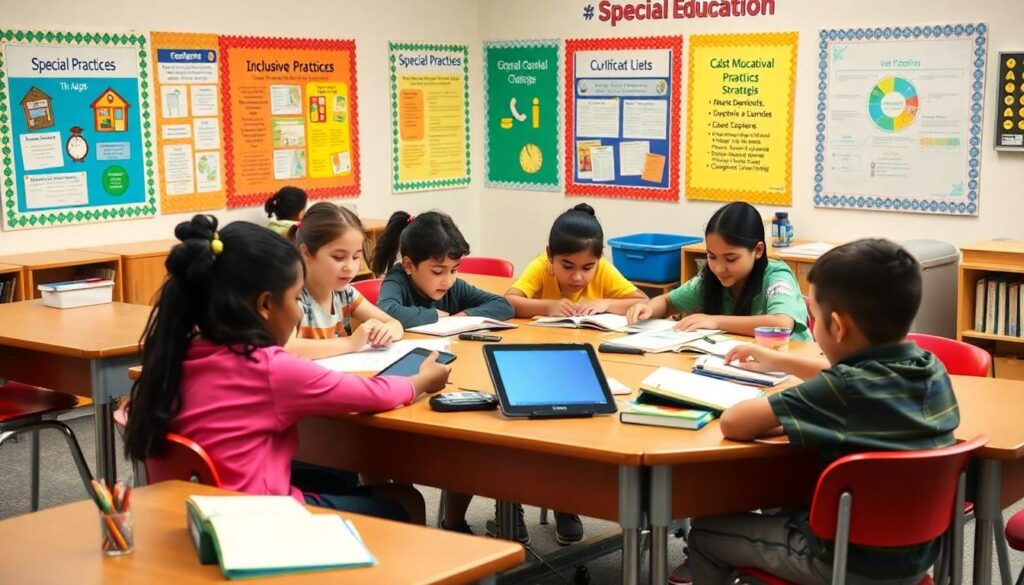
Special education colleges offer various programs to cater to the diverse needs of future educators. These programs include undergraduate and graduate degrees designed to equip teachers with essential skills.
Undergraduate Degrees
Undergraduate degrees play a critical role in the foundation of special education. Many colleges provide Bachelor of Science or Bachelor of Arts degrees in special education and related fields. Coursework emphasizes child development, inclusive practices, and special education law. Students engage in hands-on experiences through fieldwork, which allows them to implement strategies in real classroom environments. Additionally, participants often explore individualized education plans, gaining insight into tailored educational strategies. Graduates typically emerge ready to meet the unique needs of diverse learners.
Graduate Degrees
Graduate degrees enhance knowledge and expertise in special education. Master’s programs focus on advanced topics such as behavioral analysis, curriculum development, and leadership roles in special education. Many colleges offer specialized tracks, allowing students to concentrate on areas like autism spectrum disorders or learning disabilities. Practical experiences remain integral, with opportunities for internships and research projects. Graduates often pursue certification to advance their careers, positioning themselves as leaders in inclusive education. These programs attract individuals dedicated to making lasting changes in the education system.
Admission Requirements
Admission to special education colleges involves specific criteria ensuring candidates are well-prepared for the challenges of the field. Applicants must typically hold a high school diploma or equivalent. Some institutions may require prerequisite coursework in education or psychology.
Application Process
Submitting an application generally includes completing an online form, providing transcripts, and writing a personal statement. Applicants often seek recommendation letters highlighting their commitment to education and advocacy. Many programs request an interview to assess the candidate’s fit for the program. Each step helps institutions evaluate the suitability of prospective students for the unique demands of special education training.
Important Deadlines
Adhering to application deadlines is crucial for prospective students. Most colleges set specific dates for submission, often aligning with common academic calendars. Typically, early admission deadlines fall between November and December, while regular admission deadlines range from January to March. It’s essential for applicants to check individual college calendars for exact dates to ensure timely submissions.
Curriculum and Learning Environment
Special education colleges focus on developing inclusive and adaptive learning environments. The curriculum combines theoretical knowledge with practical applications to prepare future educators for diverse classrooms.
Course Structure
Courses include foundational topics, such as child development and special education law. An emphasis on individualized education plans supports understanding of different learning needs. Students engage in hands-on fieldwork experiences throughout their studies. Program design often includes specialized tracks for specific areas like autism spectrum disorders. Accreditation ensures that courses meet established standards, providing quality education. Each course typically has prerequisites to facilitate a solid understanding of complex subject matter.
Teaching Methods
Innovative teaching approaches highlight interactive learning in special education colleges. Faculty members often utilize differentiated instruction techniques to accommodate diverse learning styles. Collaborative projects encourage teamwork, fostering a supportive educational environment. Technology integration, such as assistive tools, enhances accessibility for students with varying needs. Experiential learning through internships and practicums reinforces practical application of theory. Regular feedback from peers and supervisors helps refine teaching strategies and build confidence. These methods collectively ensure that students develop the skills necessary for effective educational practice.
Career Opportunities After Graduation
Graduates from special education colleges find various opportunities in the education sector. They often pursue meaningful roles supporting students with disabilities in diverse settings.
Job Prospects
Job prospects for graduates remain strong in areas like public schools, private institutions, and specialized educational facilities. Many enter roles as special education teachers, instructional coordinators, or behavior analysts. Positions may also include educational consultants or administrators focused on inclusive practices. Demand for qualified educators in special education continues to rise, driven by an increasing focus on equitable access to education. Special education colleges prepare students effectively with a foundation in advocacy, compliance, and diverse learning strategies.
Salary Expectations
Salary expectations for special education graduates depend on factors such as geographic location, level of experience, and job role. As of 2023, special education teachers earn an average annual salary ranging from $50,000 to $70,000. Those in leadership roles or with advanced degrees, including master’s-level positions, can expect higher earnings, often exceeding $80,000 annually. In addition, educational consultants may command competitive salaries based on their expertise and the demand for specialized knowledge. Overall, as education policies evolve, compensation for professionals in this field is likely to reflect their critical contributions.
Special education colleges play a crucial role in shaping the future of inclusive education. They prepare dedicated educators to meet the diverse needs of students with disabilities. Through comprehensive curricula and hands-on experiences, these institutions empower future teachers to become advocates for change.
As the demand for qualified professionals in special education continues to grow, graduates are well-equipped to make a meaningful impact. Their commitment to fostering equitable learning environments not only benefits students but also enriches the educational landscape as a whole. The journey through special education college is more than just an academic pursuit; it’s a pathway to transforming lives and communities.