
Elementary reading isn’t just about deciphering letters and words; it’s the magical gateway to a world of imagination and knowledge. Picture this: a young reader, wide-eyed and curious, flipping through pages filled with adventures, mysteries, and even the occasional talking animal. It’s not just fun; it’s the foundation for lifelong learning.
What Is Elementary Reading?
Elementary reading encompasses the fundamental skills necessary for understanding written language. This process includes phonemic awareness, phonics, vocabulary, comprehension, and fluency. Young readers recognize letters, decipher words, and connect sounds to create meaning.
Phonemic awareness helps students manipulate individual sounds within words. Phonics builds upon this by teaching the relationship between sounds and their corresponding letters. Vocabulary development expands a child’s understanding of words and enhances their ability to communicate effectively.
Comprehension is crucial for making sense of what is read. It enables readers to engage with stories and understand characters, plots, and themes. Fluency involves reading smoothly and at an appropriate speed, which fosters confidence and enjoyment.
Educational strategies play a vital role in promoting elementary reading skills. Techniques like guided reading and shared reading create supportive environments that encourage children to practice these skills. Engaging materials, such as age-appropriate books and interactive activities, further stimulate a child’s interest in reading.
Elementary reading also incorporates the emotional aspects of learning. It invites children to explore new worlds and develop their imagination. Positive experiences in reading during these early years lay the groundwork for continued learning and academic success.
Ultimately, elementary reading forms the building blocks for literacy, enabling children to become proficient and passionate readers throughout their lives.
The Importance of Elementary Reading
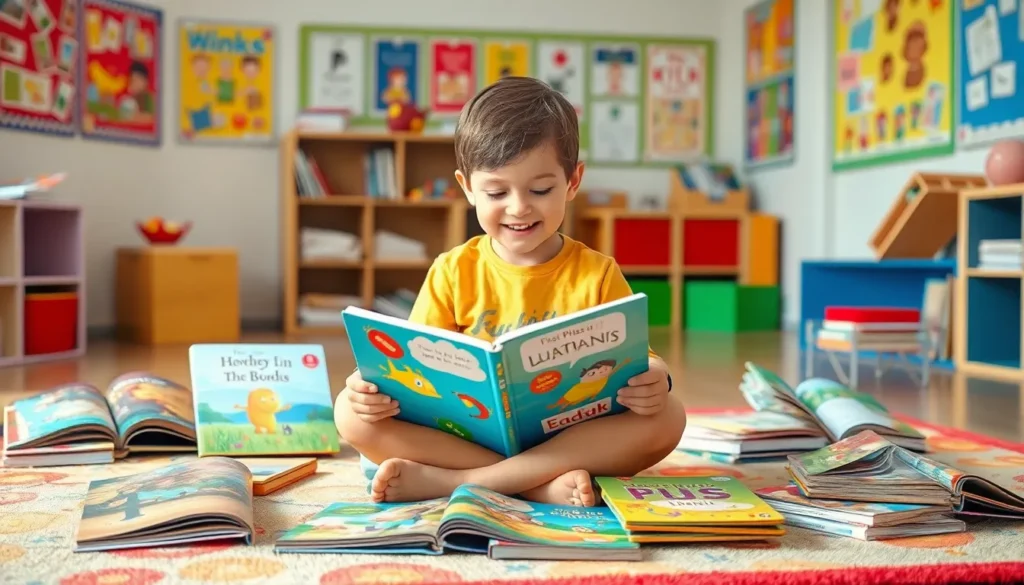
Elementary reading establishes critical foundational skills essential for literacy development and fosters an enduring passion for books and stories.
Building Fundamental Skills
Elementary reading instruction includes several core skills vital for young learners. Phonemic awareness improves a child’s ability to manipulate sounds, facilitating word recognition. Phonics connects sounds with letters, vital for decoding new words. Vocabulary development enhances communication and encourages the expression of thoughts and ideas. Comprehension skills enable readers to grasp characters, plots, and themes within texts. Fluency allows for smooth reading, contributing to confidence and a deeper understanding of materials. Together, these skills form a robust foundation for future academic success and lifelong learning.
Fostering a Love for Reading
Engagement in elementary reading ignites a love for stories and exploration. Exposure to diverse narratives captivates a child’s imagination and encourages creative thinking. Reading aloud creates shared experiences that bond children with their caregivers, cultivating positive associations with books. Access to engaging and age-appropriate materials fuels curiosity and practice. Emotional connections fostered through storytelling help instill a desire to continue reading. Developing a love for reading in early years significantly influences academic achievement and personal growth throughout life.
Strategies for Teaching Elementary Reading
Effective teaching strategies enhance elementary reading skills and empower young readers. Various techniques promote phonics, phonemic awareness, and vocabulary development.
Phonics and Phonemic Awareness
Phonics instruction establishes sound-letter connections. It empowers students to decode and spell words correctly. Phonemic awareness lays the groundwork for phonics by helping children manipulate individual sounds in words. Teaching these skills concurrently accelerates reading development. Activities such as sound sorting games and blending exercises engage children actively. Incorporating songs and rhymes fosters enjoyment and retention. Research shows that students with strong phonics skills outperform peers in reading comprehension. Daily practice through targeted phonics worksheets can reinforce learning effectively. This comprehensive approach builds students’ confidence and lays a solid foundation for successful reading.
Vocabulary Development Techniques
Vocabulary building enhances comprehension, and various techniques promote this essential skill. Using context clues helps children infer meanings from surrounding text. Introducing word maps encourages exploration of synonyms, antonyms, and examples. Engaging in interactive read-aloud sessions allows children to encounter new words in context. Encouraging discussions about stories also enriches vocabulary acquisition. Incorporating themed vocabulary lessons deepens understanding and retention. Exposure to diverse narratives broadens children’s language experience. Assigning fun word games promotes retention while maintaining interest. Integration of these techniques supports literacy growth and nurtures a lifelong love for reading.
Common Challenges in Elementary Reading
Elementary reading poses several challenges that can impact a child’s learning journey. Identifying these difficulties early ensures timely intervention and support.
Identifying Reading Difficulties
Recognizing reading difficulties requires keen observation. Children may struggle with phonemic awareness, leading to problems in decoding words. Signs include hesitation when reading aloud and difficulty in sounding out unfamiliar words. Some may exhibit limited vocabulary or poor comprehension skills, affecting their ability to understand stories. Teachers and parents often look for patterns of struggle. Regular assessments can pinpoint areas needing attention. Furthermore, a collaborative effort between educators and caregivers proves essential in addressing these challenges promptly.
Overcoming Barriers to Success
Addressing barriers to success in reading involves several strategic approaches. Implementing personalized reading plans tailored to individual needs can significantly improve outcomes. Engaging materials that captivate children’s interest help maintain motivation. Incorporating multisensory activities, like phonics games, fosters crucial skills through fun and interaction. Additionally, consistent encouragement from adults promotes confidence. Establishing a routine that includes regular reading practice reinforces skills effectively. Utilizing community resources, such as libraries or reading programs, enhances access to diverse literature and further supports learning.
Recommended Resources for Educators and Parents
Educators and parents can find numerous resources that enhance elementary reading skills. Accessible reading materials and technology offer robust support for young learners.
Books and Reading Materials
Diverse selections of books play a crucial role in fostering a love for reading. Illustrated storybooks captivate young audiences with colorful images and engaging narratives. Chapter books introduce simple plots and relatable characters, encouraging independent reading. Wordless picture books stimulate imagination and storytelling abilities, prompting discussions about story development. Instructional materials, such as phonics workbooks or reading guides, provide structured learning opportunities. Classic children’s literature, including timeless favorites like “Where the Wild Things Are,” continues to inspire generations. Access to appropriate reading levels ensures learners encounter enjoyable challenges and foster their skills.
Technology and Apps for Reading
Innovative technology and reading apps serve as valuable tools for enhancing literacy. Various educational apps provide interactive phonics, vocabulary games, and comprehension exercises. Adaptive learning software tailors activities to each child’s skill level, promoting personalized learning experiences. E-books offer flexibility and diverse content while integrating audio features that support reading fluency. Online libraries, like Libby and OverDrive, expand access to numerous titles, engaging young readers through digital formats. Furthermore, platforms like Raz-Kids and Epic! combine storytelling with educational resources, making reading fun and interactive. Regular use of these tech tools contributes to improved reading skills.
Elementary reading is a vital stepping stone in a child’s educational journey. It not only builds essential skills but also nurtures a love for stories and exploration. By fostering positive reading experiences and providing engaging materials, children can develop confidence and a passion for literacy that lasts a lifetime.
Effective teaching strategies and early identification of challenges play crucial roles in supporting young readers. With the right resources and encouragement, children can overcome obstacles and thrive academically. Ultimately, the journey of elementary reading lays the groundwork for a future filled with knowledge and creativity, empowering children to become proficient and enthusiastic readers.